
Clothes to die for…
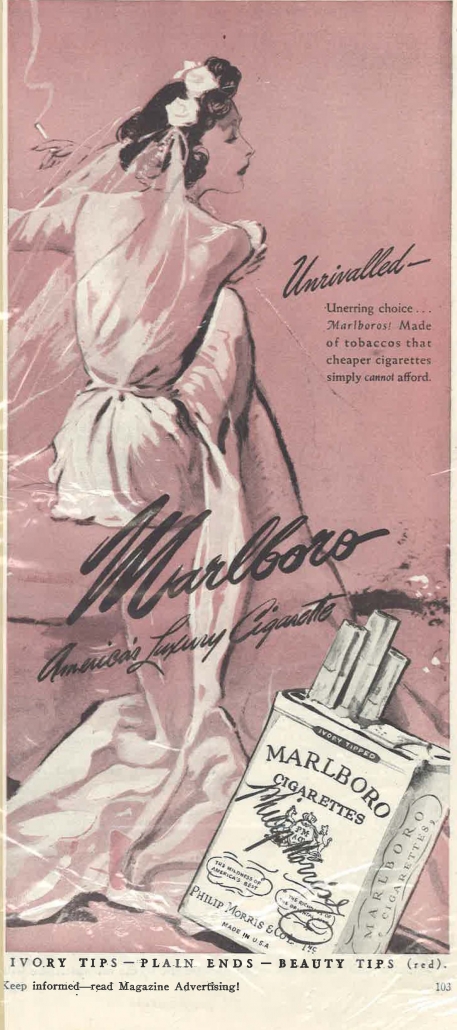
By the 1920s, women had taken up smoking in ever-increasing numbers, and Marlboro, introduced by Philip Morris & Co., Ltd. in 1924, was the first cigarette targeted to them. Initially sold in the finest hotels, with the slogan, “The Cigarette of Distinction,” Marlboro was implicitly promoted as a luxury fashion accessory. “Red Tips to Match Your Pretty Lips” (and to hide lipstick stains) became a prominent theme of the advertisements, which featured drawings of women in elegant gowns and hats. R.J. Reynolds Tobacco Company’s Camel cigarettes, the dominant brand of the ’20s with 45% of total cigarette sales, was advertised to both men and women with endorsements by athletes, movie stars, and women of high society, who served only Camels at dinner parties. Advertising visionary Edward Bernays famously helped send Lucky Strike sales soaring among women in the 1930s, when he created the Green Ball, a social event at the elegant Waldorf Astoria Hotel to raise money for charity, for which high society women would attend all wearing green dresses…the same color as the Lucky Strike cigarette pack.
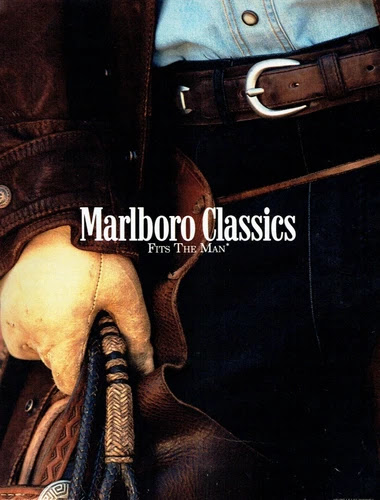
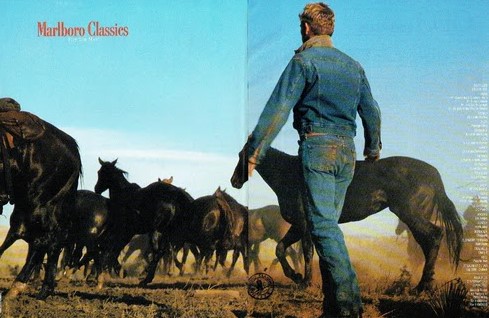
While other brands with aristocratic names like Tareyton, Kent, Chesterfield, Pall Mall, and Viceroy gained in popularity, Marlboro remained a minor luxury brand for women — that is, until 1954 when the Chicago advertising agency Leo Burnett transformed it into a heroic brand for men at a time when America was coming off a horrific war that ended in a stalemate. Marlboro became a top sponsor of televised National Football League games as the NFL was becoming the most watched sports league. As the iconic cowboy appeared on billboards and TV, Marlboro became the world’s most popular cigarette in 1972.
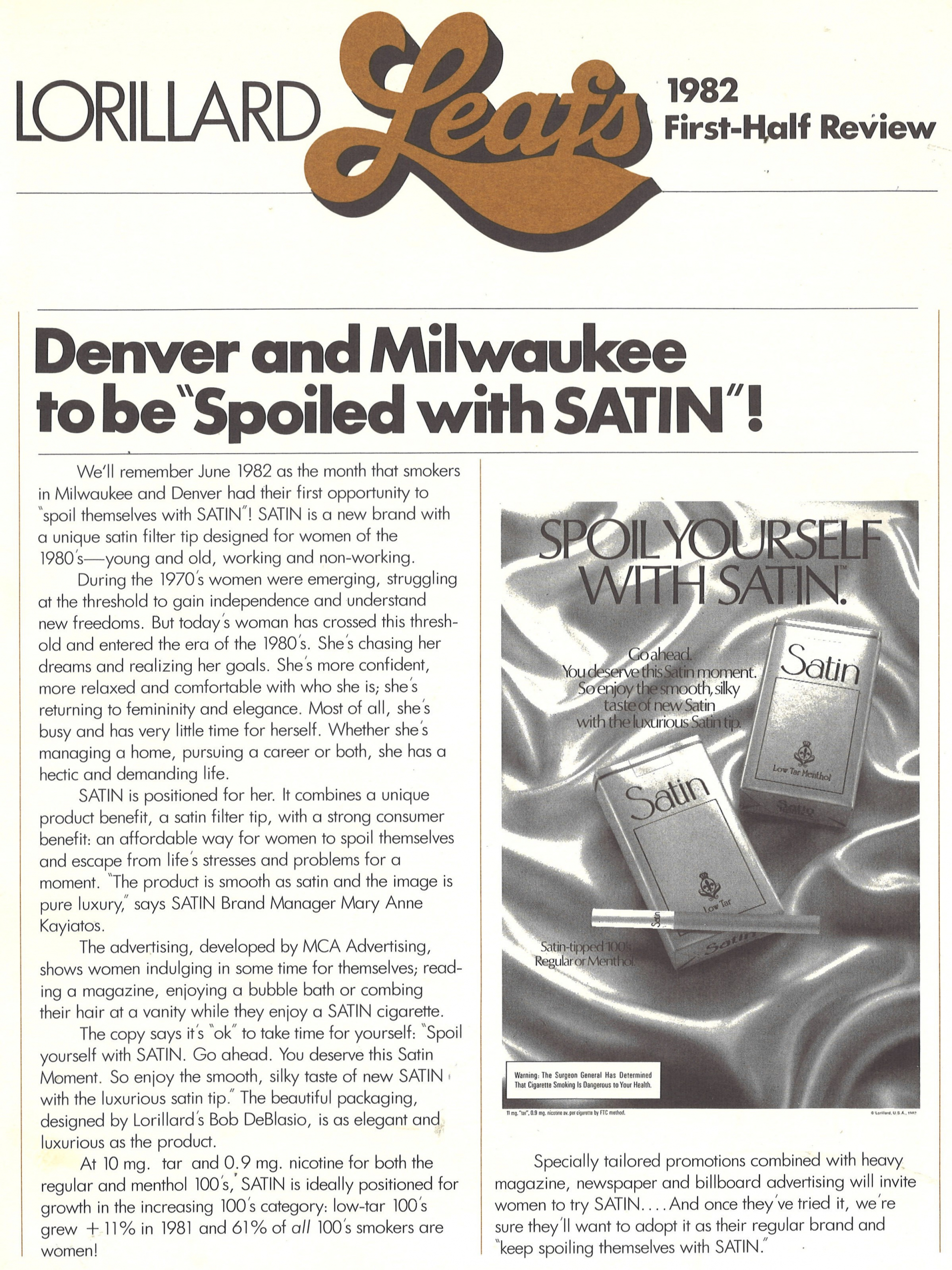
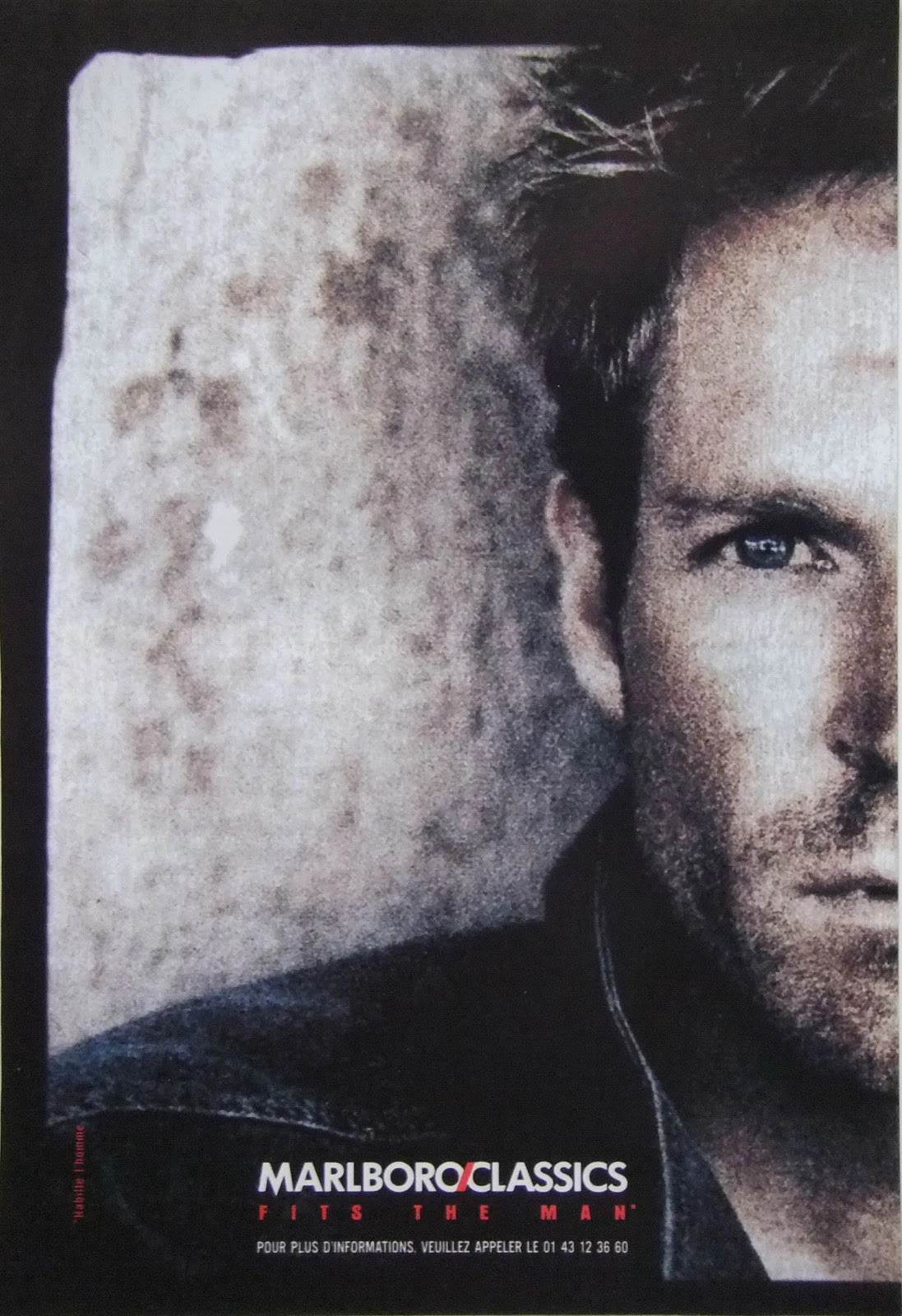
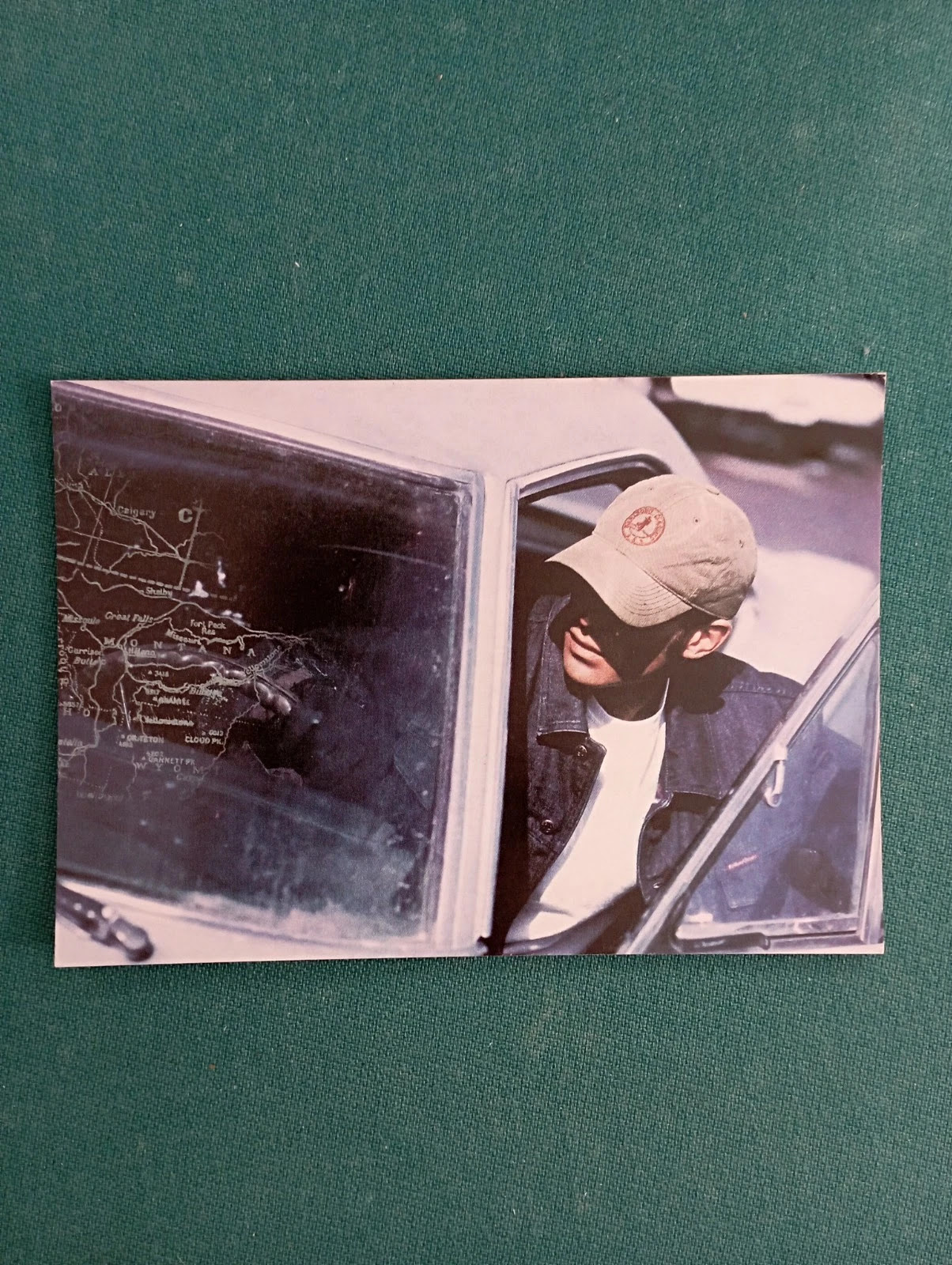
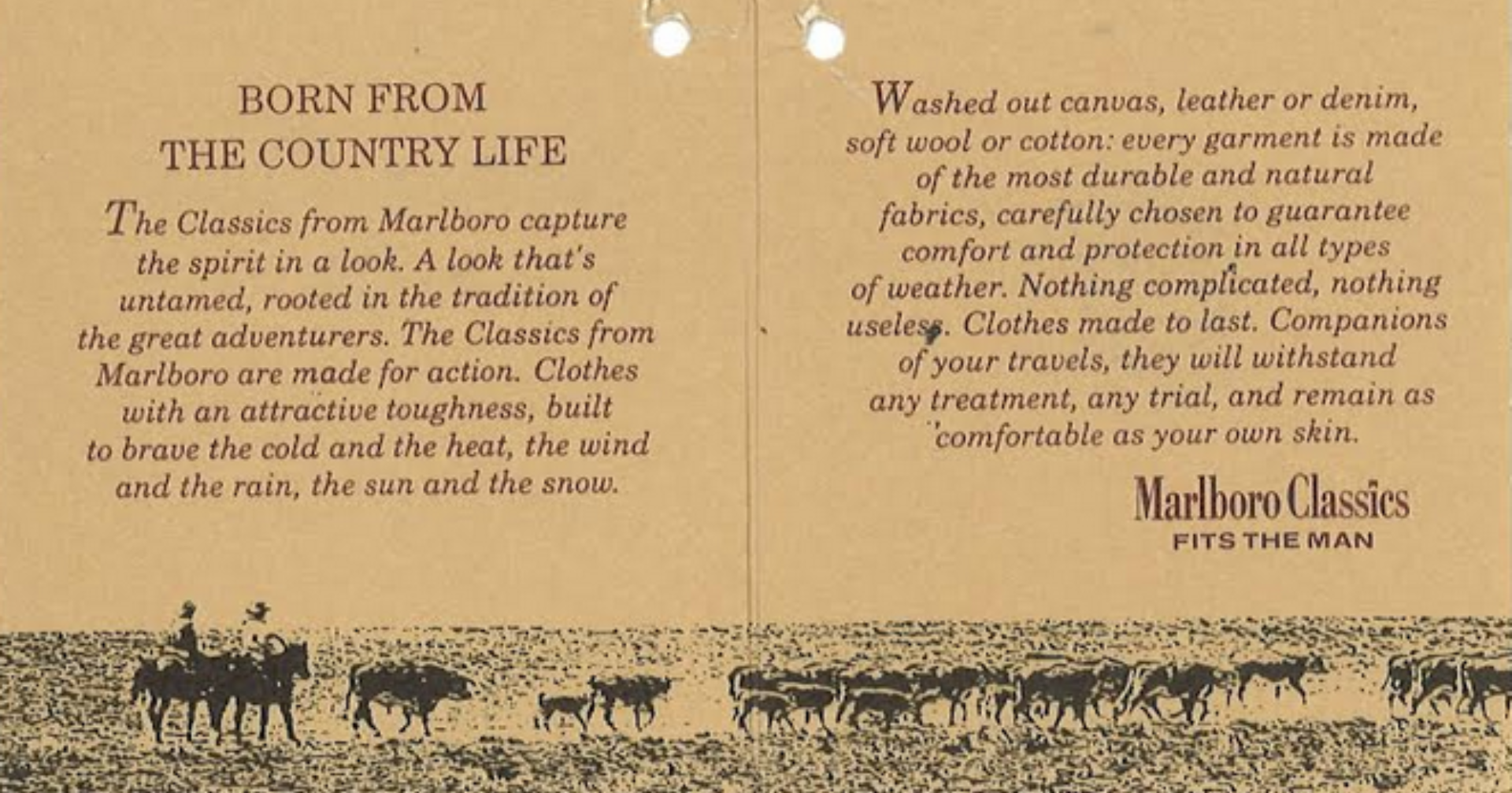
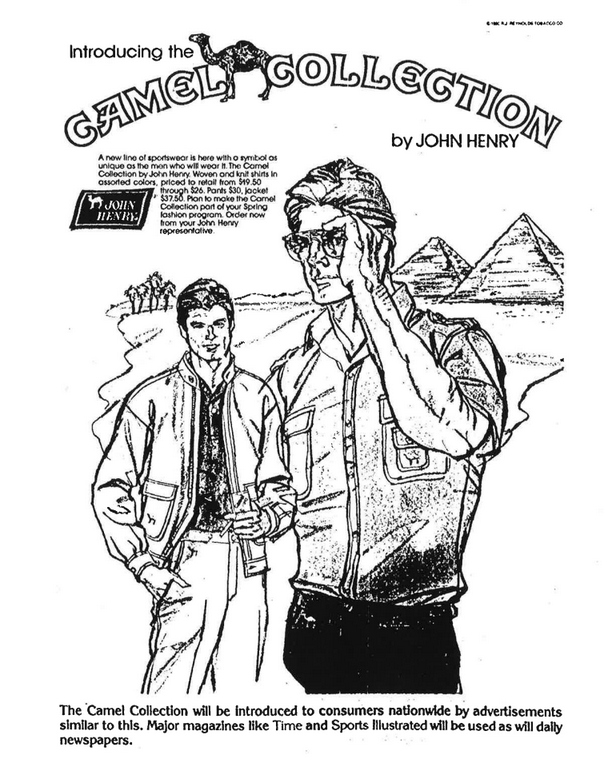
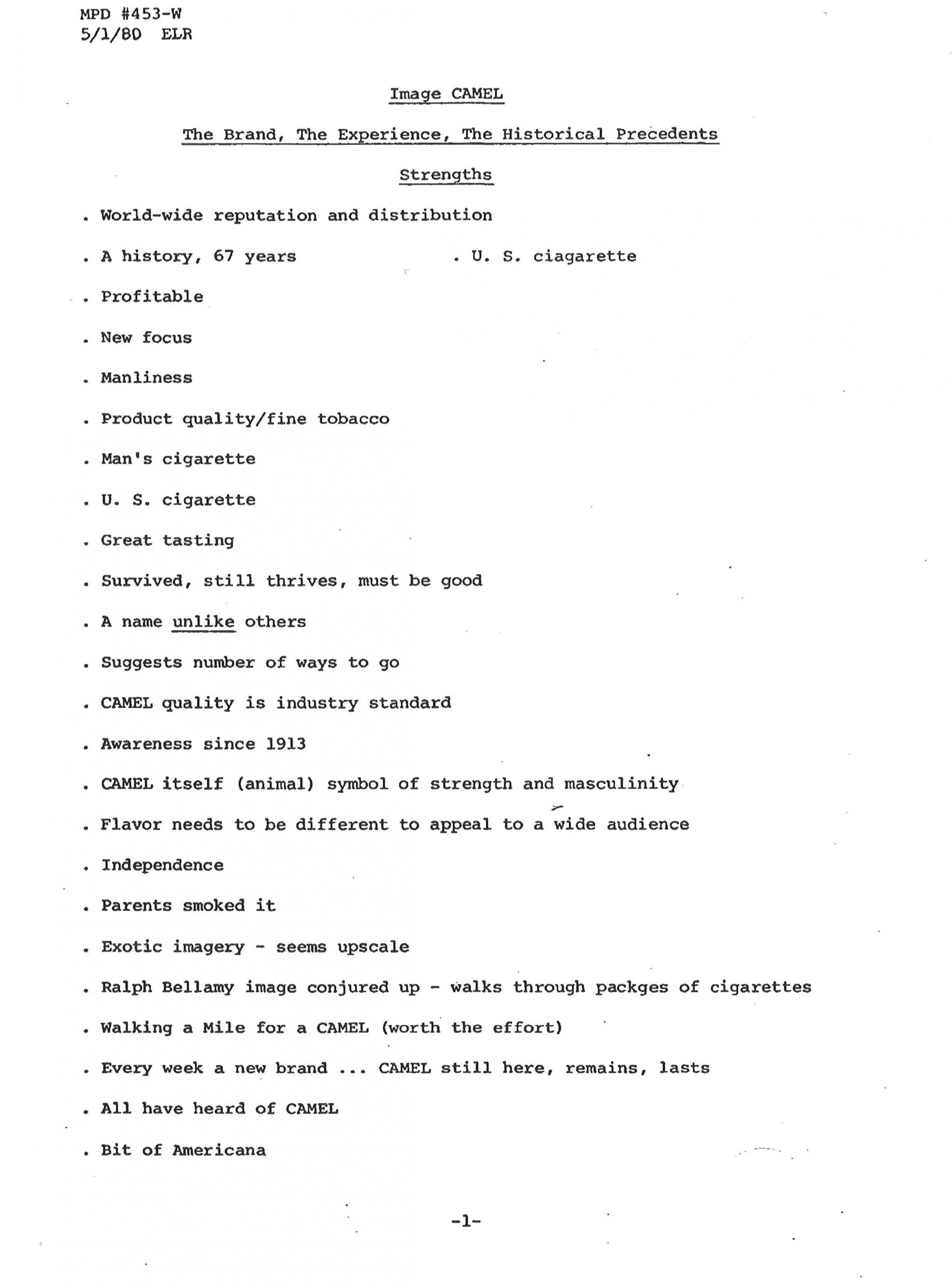
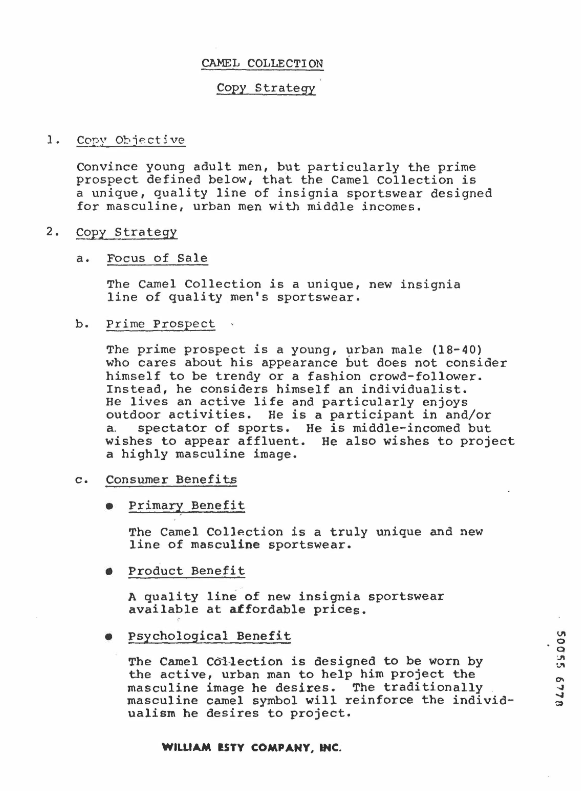
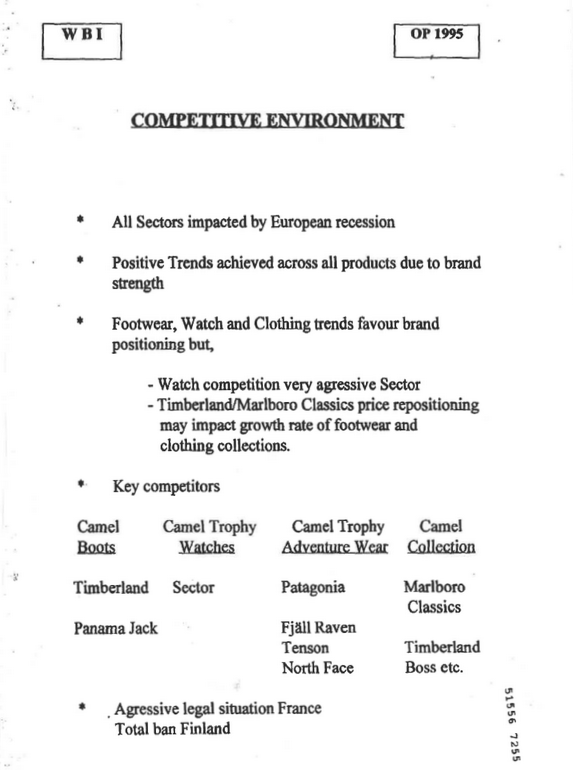
On the heels of the women’s liberation movement of the 1960s, Philip Morris introduced Virginia Slims cigarettes. Within just a few years, the company had also turned the brand into the Virginia Slims Women’s Professional Tennis Circuit, a Virginia Slims Women’s Opinion Poll, and a line of Virginia Slims Fun Fashion Wear. For men, Philip Morris added a line of Marlboro Leisure Wear. And R.J. Reynolds launched its clothing line, the Camel Collection.
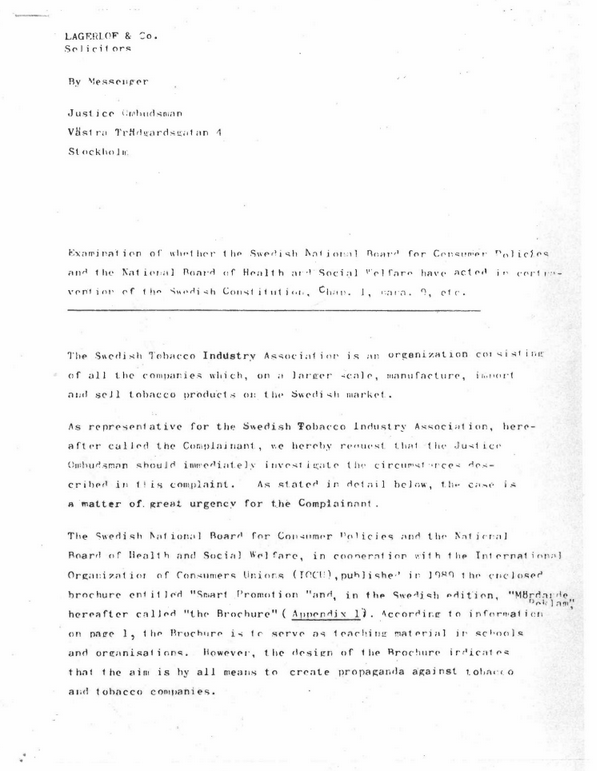
But the reason for this extension of cigarette brands as clothing brands was not with the idea of competing with Brooks Brothers, Lord & Taylor, Saks Fifth Avenue or Marshall Field’s. Rather, it was due to the pall cast by the publication of the Surgeon General’s Report of 1964, which indicted cigarettes as the leading cause of lung cancer and emphysema. Within six years, cigarette commercials were banned from the airwaves in the U.S. and many other countries, and restrictions on print cigarette ads were passed by several European countries.
That cigarette brands could now be promoted as upscale clothing brands, and thus could maintain visibility, was a clever circumvention of the barriers tobacco companies were forced to confront. But Marlboro, Camel, and Virginia Slims as high fashion also meant that smoking had come full circle from the luxurious smoking costumes worn by gentlemen in Victorian England…and eventually by women in the early-20th century. The story is rapturously told by social geographer Ivan Marković of the University of Durham in his essay, “Fashioning Smoking Space,” excerpted from his book An Atmospheric History of Smoking in Modern Britain.