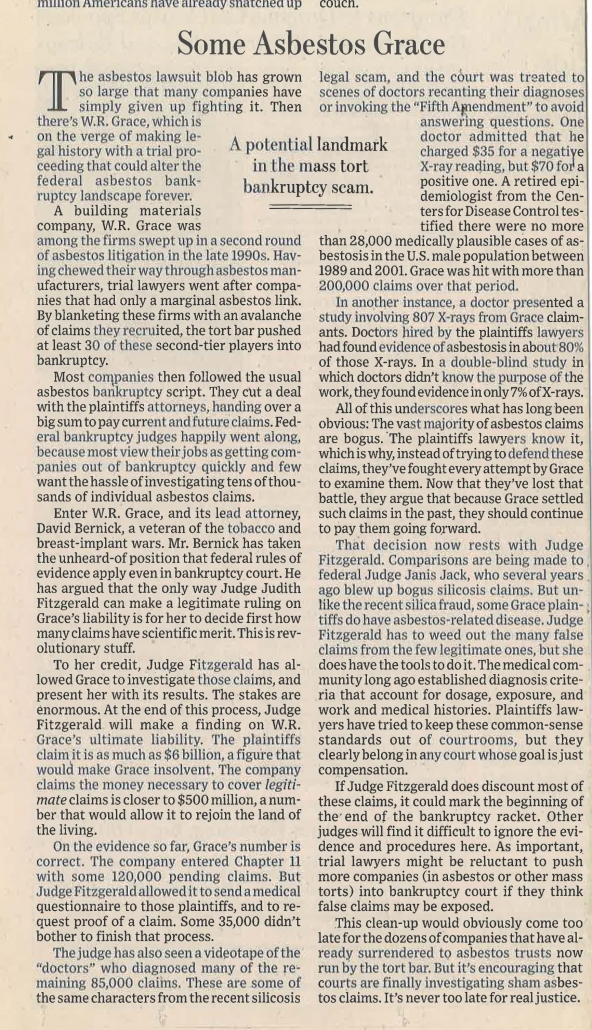
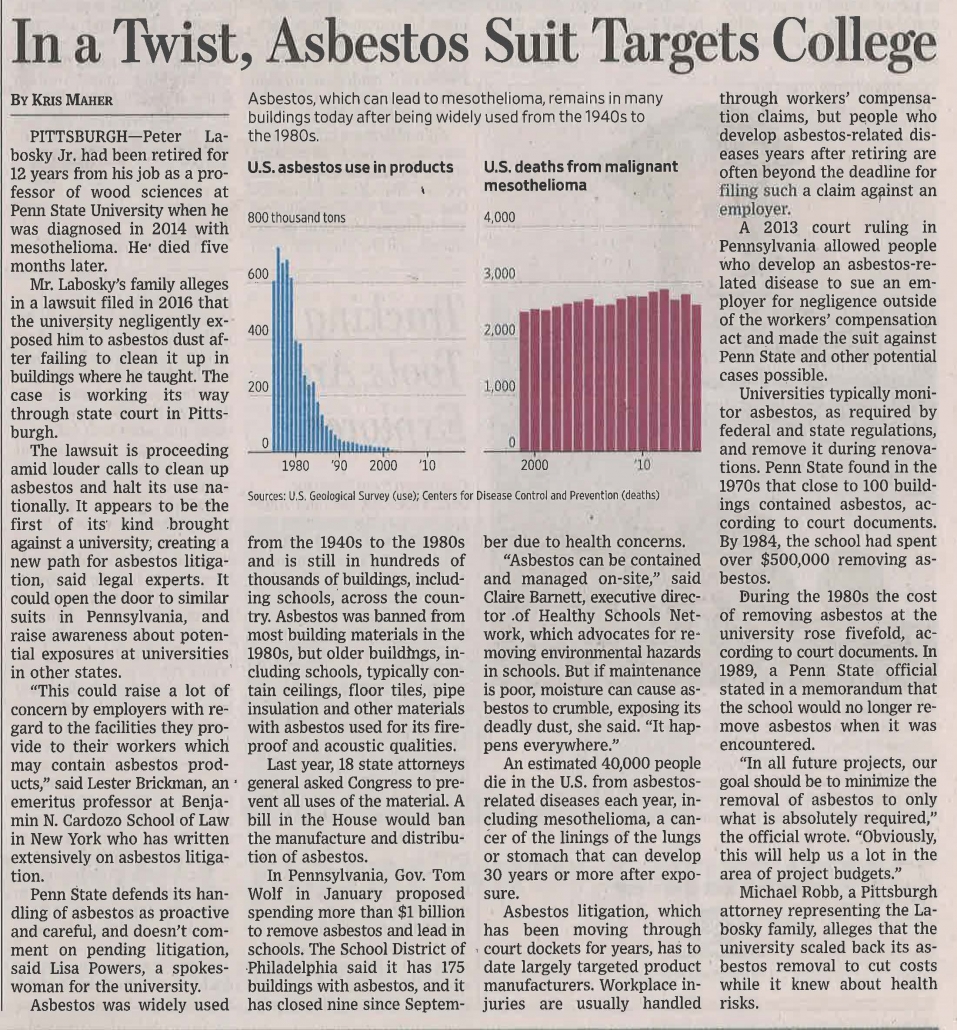
“Filter Factory
Asbestos,
Cigarette
Link Probed” (3 pages)
Investigative news article by Myron Levin
The Los Angeles Times
January 19, 1988
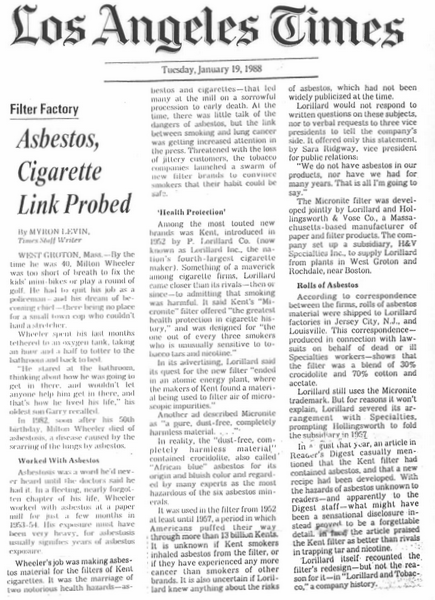
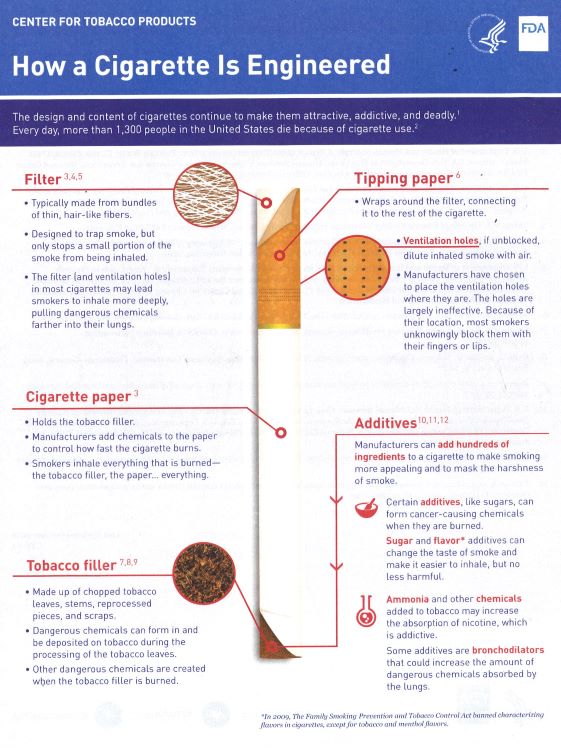
“Threatened with the loss of jittery customers, the tobacco companies launched a swarm of filter brands to convince smokers that their habit could be safe.
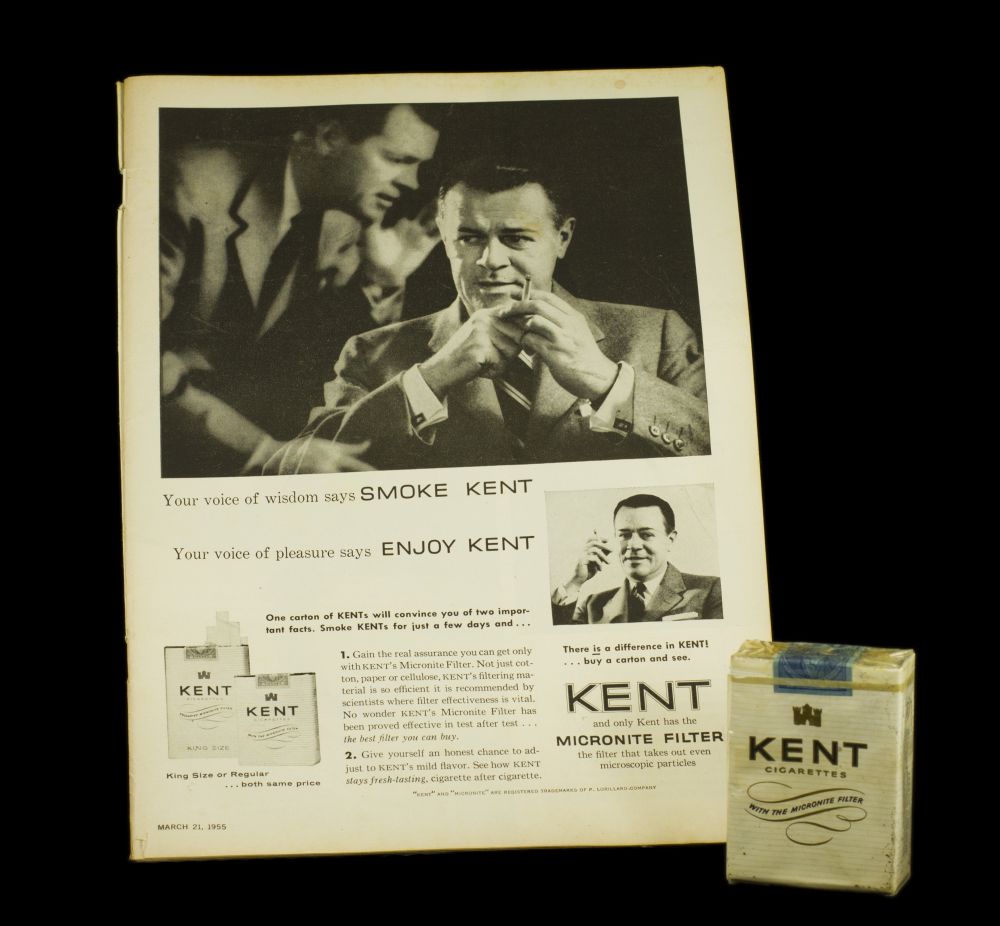
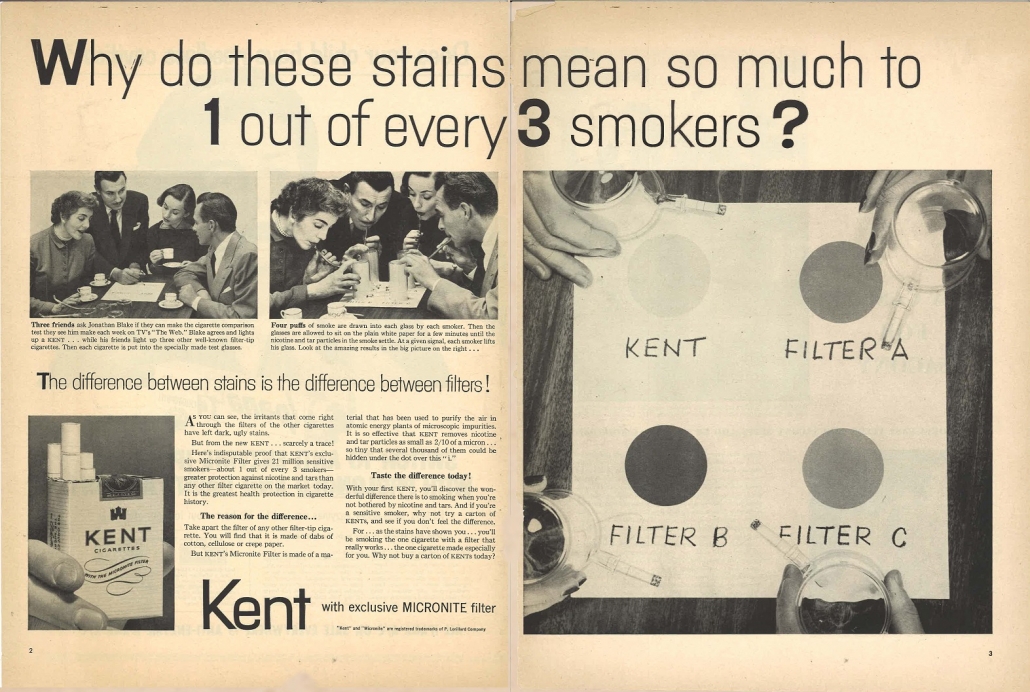
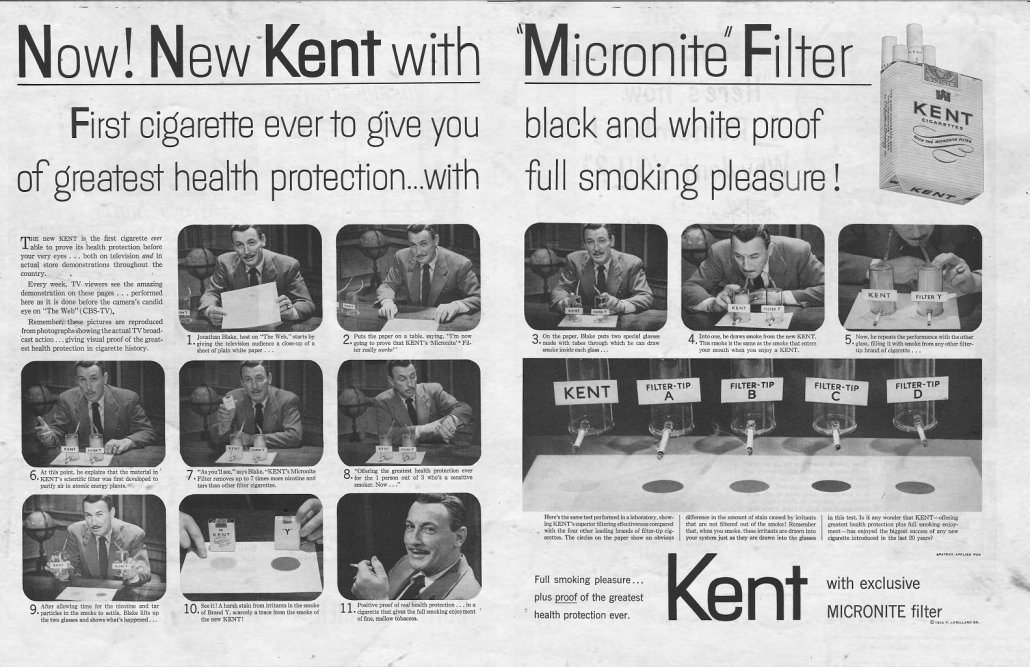
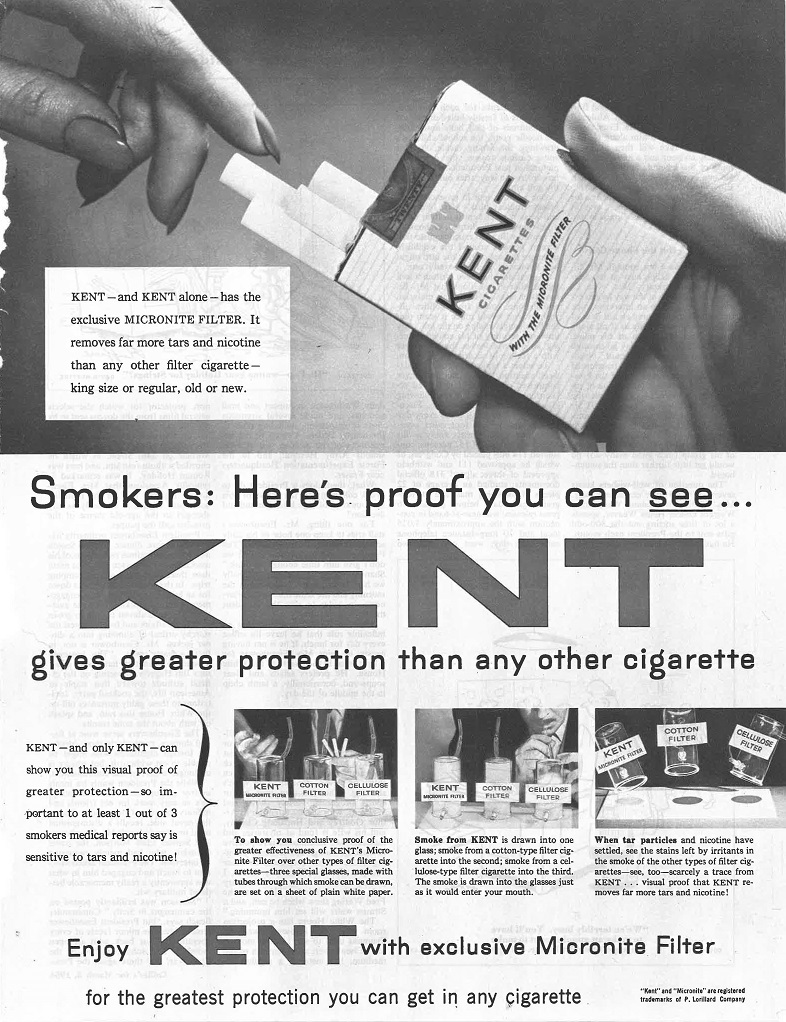
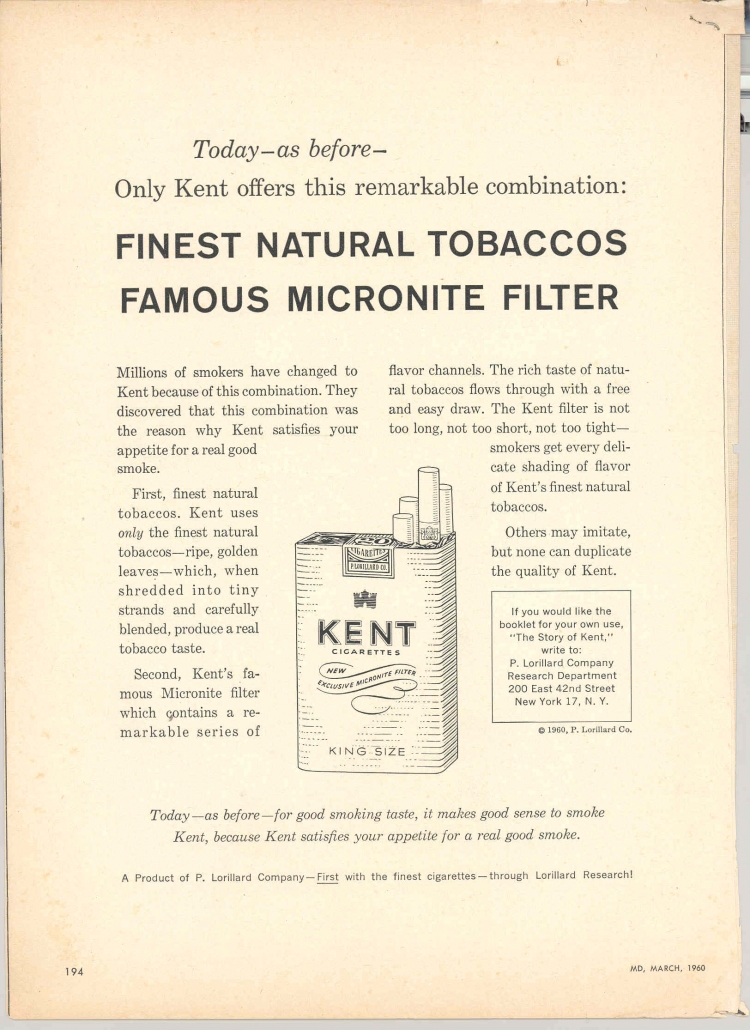
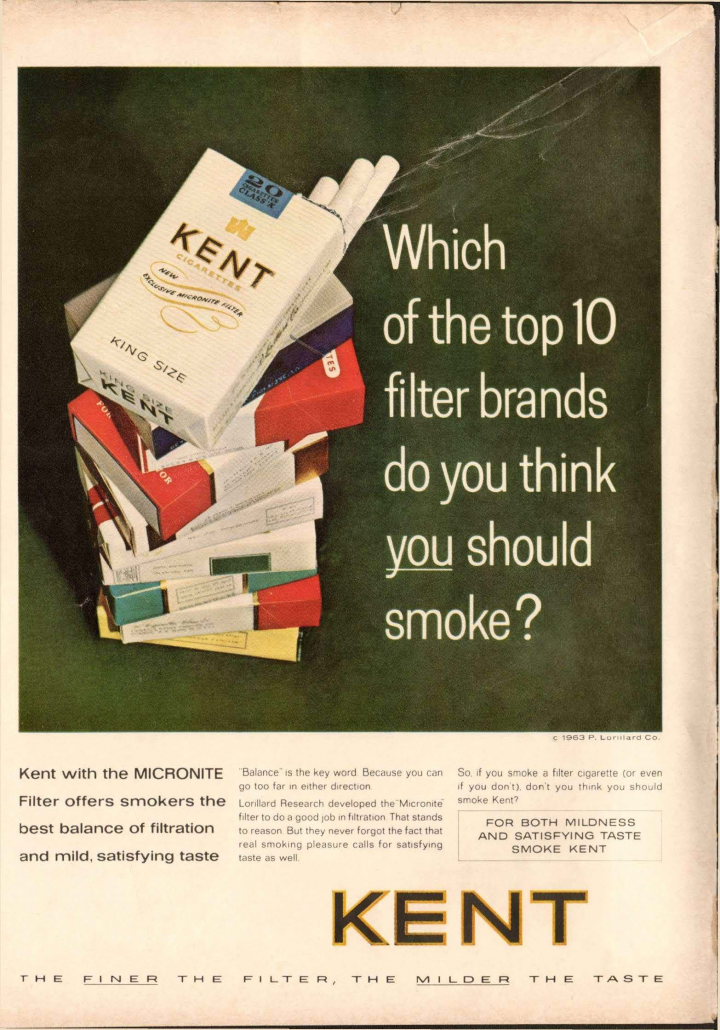
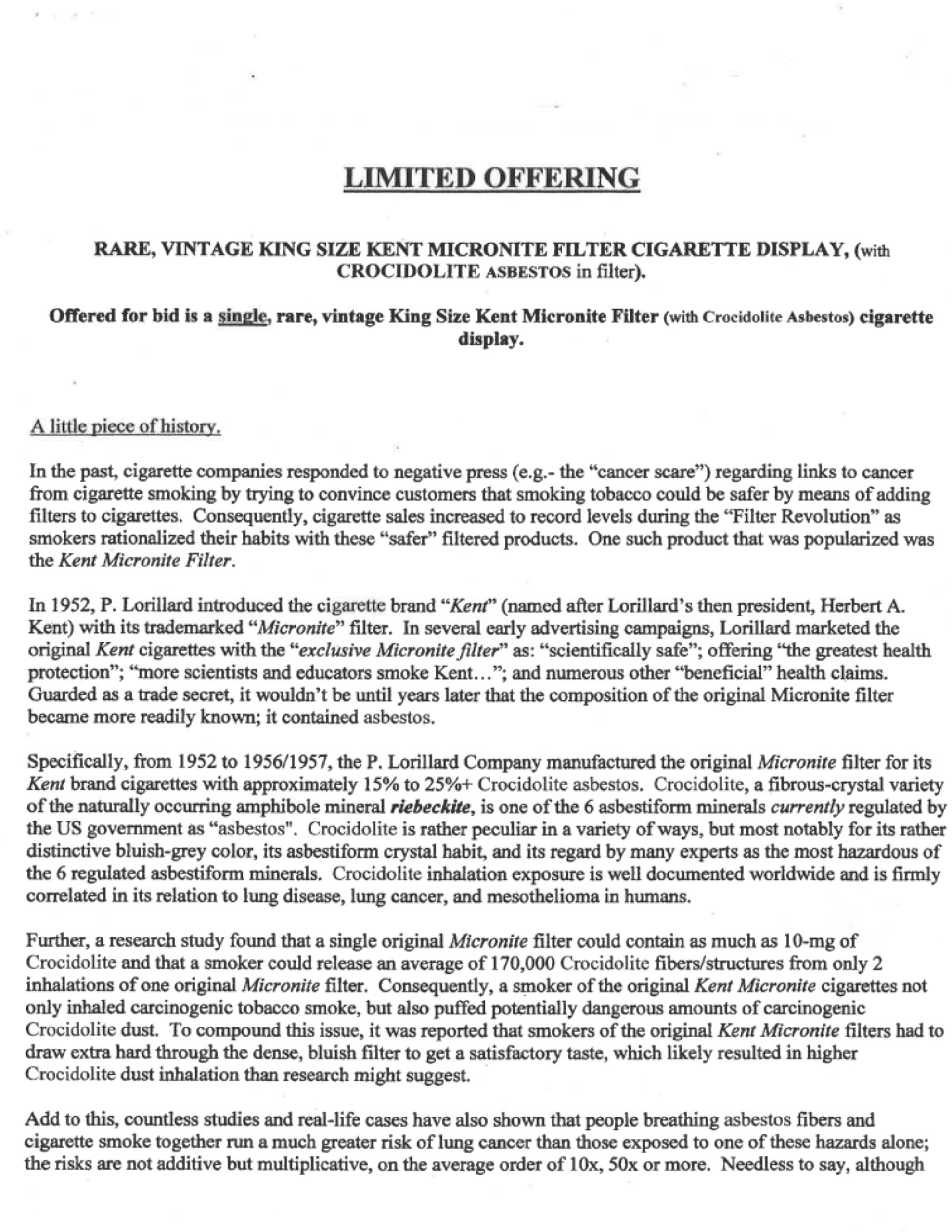
“Among the most touted new brands was Kent, introduced in 1952 by P. Lorillard Co. (now known as Lorillard Inc., the nation’s fourth-largest cigarette maker). Something of a maverick
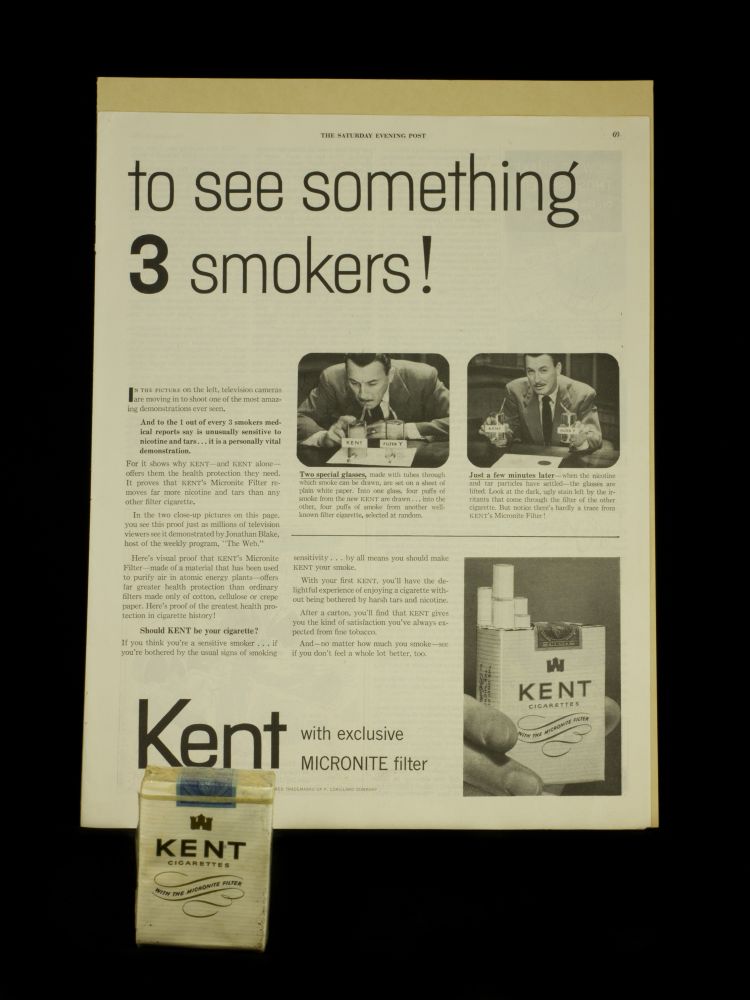
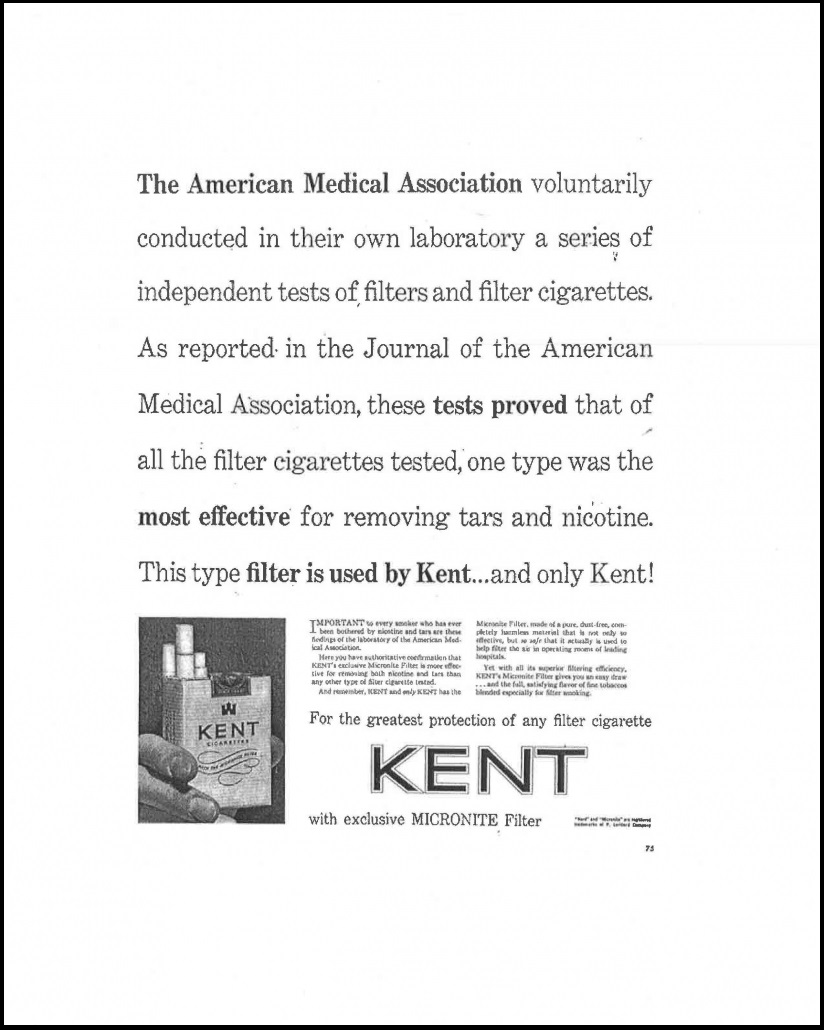
among cigarette firms, Lorillard came closer than its rivals– then or since –to admitting that smoking was harmful. It said Kent’s ‘Micronite’ filter offered ‘the greatest health protection in cigarette history,” and was designed for ‘The one out of every three smokers who is unusually sensitive to tobacco tars and nicotine.’
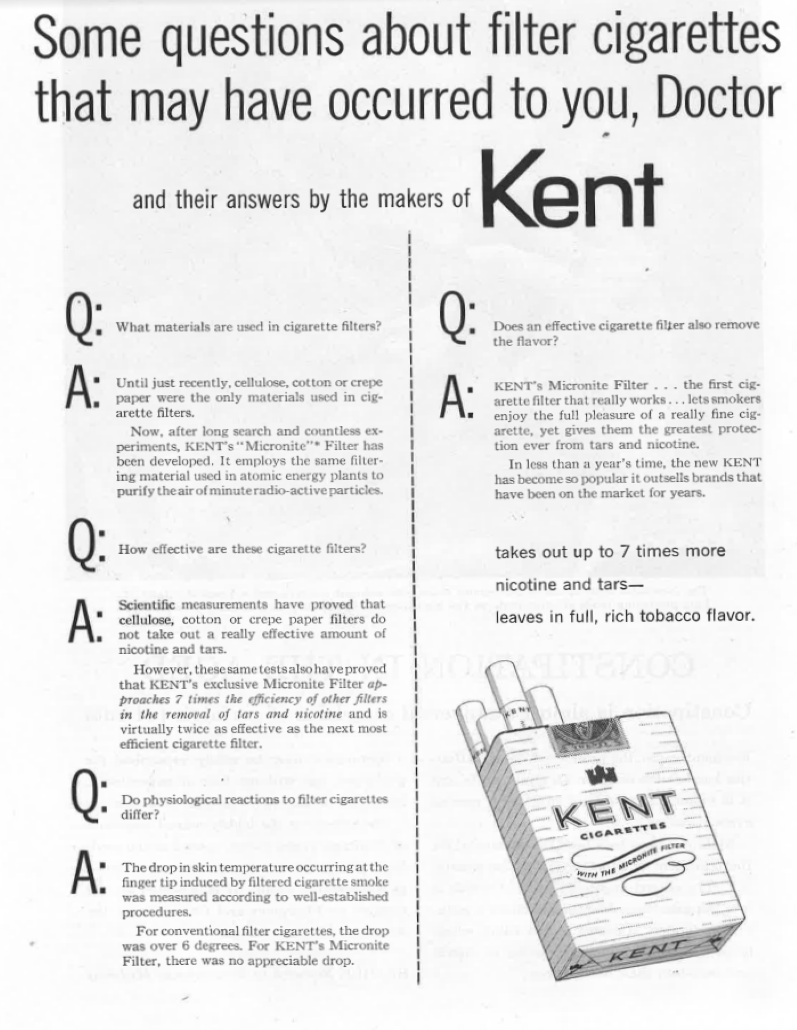
“In its advertising, Lorillard said its quest for the new filter ‘ended in an atomic energy plant, where the makers of Kent found a material being used to filler air of microscopic impurities…’
“Another ad described Micronite as “a pure, dust-free, completely harmless material.’
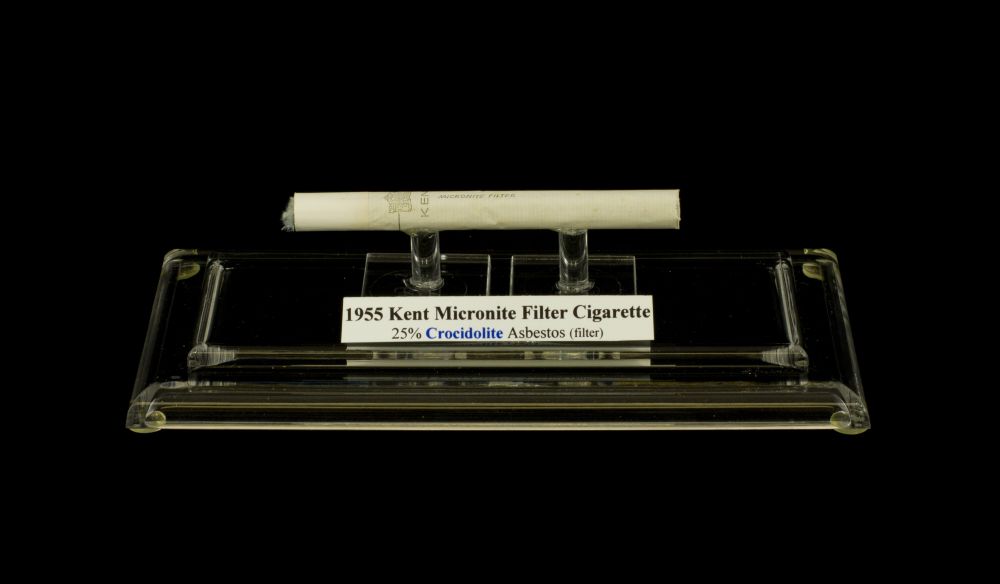
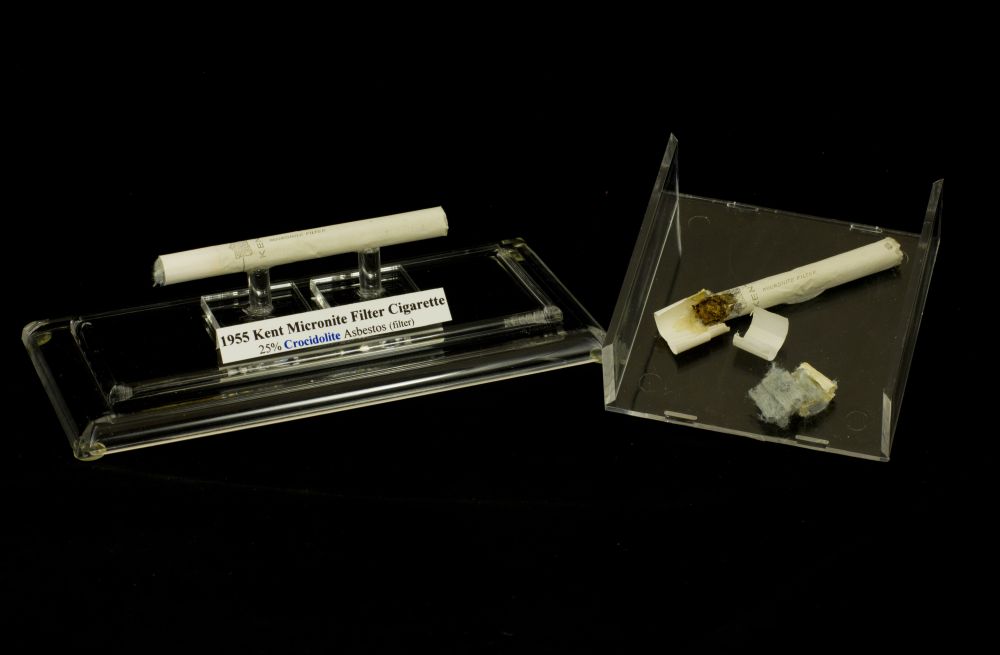
“In reality, the ‘dust-free, completely harmless material’ contained crocidolite, also called ‘African blue’ asbestos for its origin and bluish color and regarded by many experts as the most hazardous of the six asbestos minerals.
“It was used in the filter from 1952 at least until 1957, a period in which Americans puffed their way through more than 13 billion Kents. It is unknown if Kent smokers inhaled asbestos from the filter, or if they have experienced any more cancer than smokers of other brands. It is also uncertain if Lorillard knew anything about the risks of asbestos, which had not been widely publicized at the time….
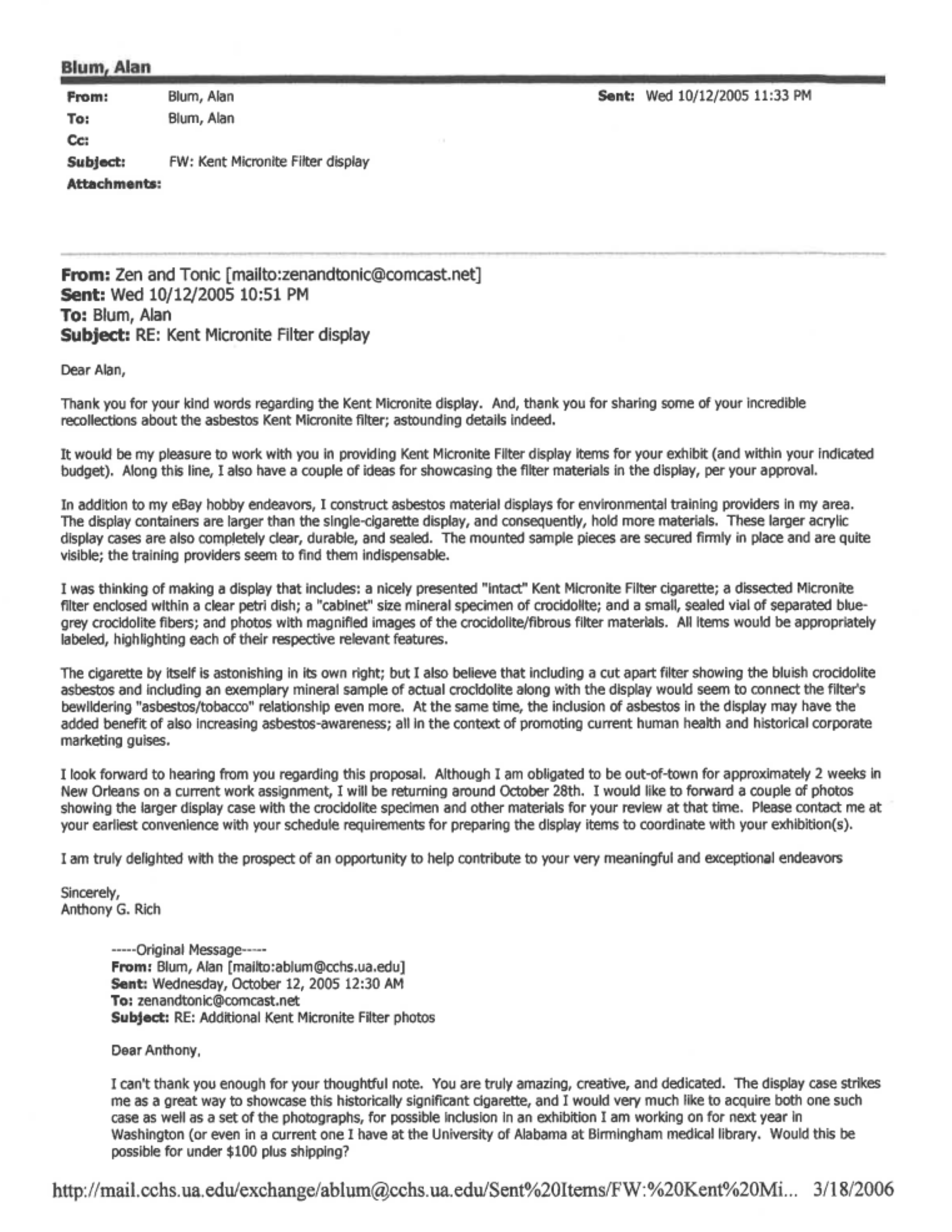
“According to correspondence between the firms [Lorillard and H & V Specialties, Inc., the Massachusetts paper and filter company that helped Lorillard produce the Micronite filter], rolls of asbestos material were shipped to Lorillard factories in Jersey City, N.J., and Louisville. This correspondence — produced in connection with lawsuits on behalf of dead or ill Specialties workers — shows that the filter was a blend of 30% crocidolite and 70% cotton and acetate.
“In August [1957] an article in Reader’s Digest casually mentioned that the Kent filter had contained asbestos, and that a new recipe had been developed. With the hazards of asbestos unknown to readers — and apparently to the Digest staff — what might have been a sensational disclosure instead proved to be a forgettable detail. In fact, the article praised the Kent filter as better than rivals in trapping tar and nicotine…”